
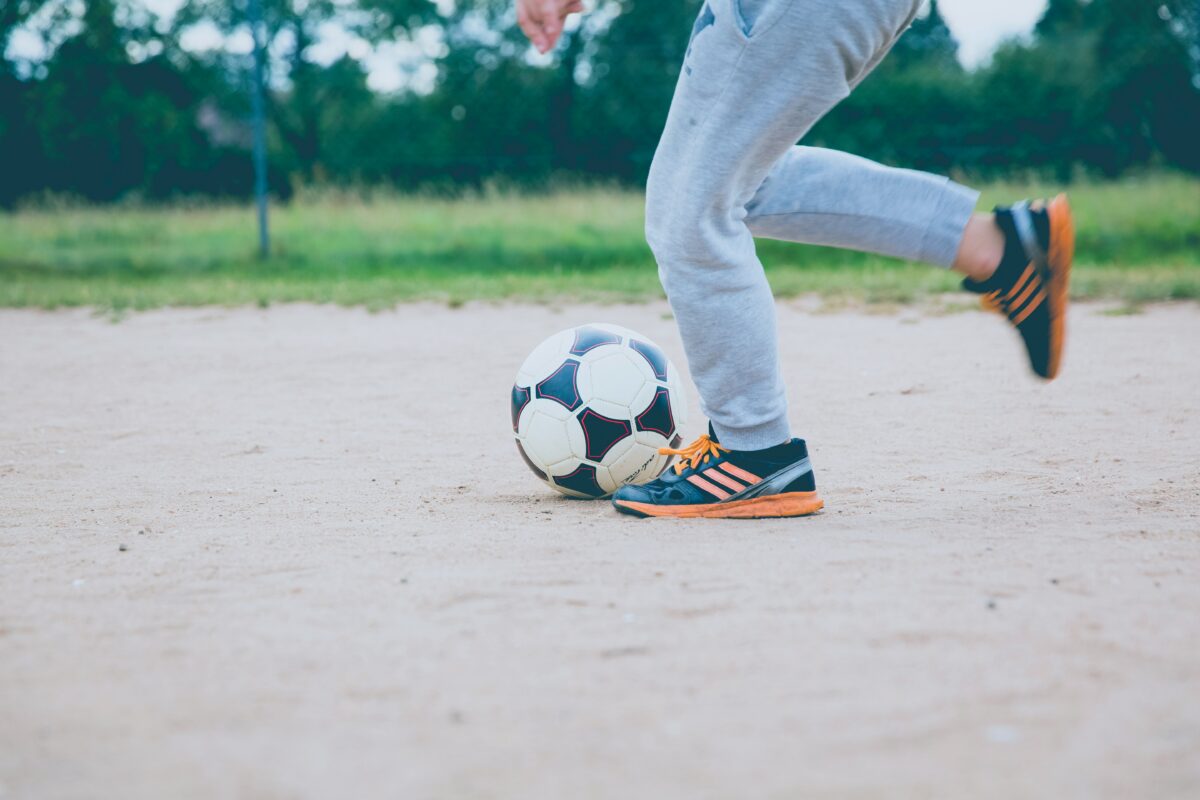
In a world dominated by technology, where children often find themselves engrossed in video games, smartphones, and television, the importance of regular exercise can easily be overlooked. However, physical activity plays a vital role in a child’s overall development, helping to build a strong foundation for both physical and mental well-being. Let’s explore why regular exercise is essential for children.
Physical Health Benefits
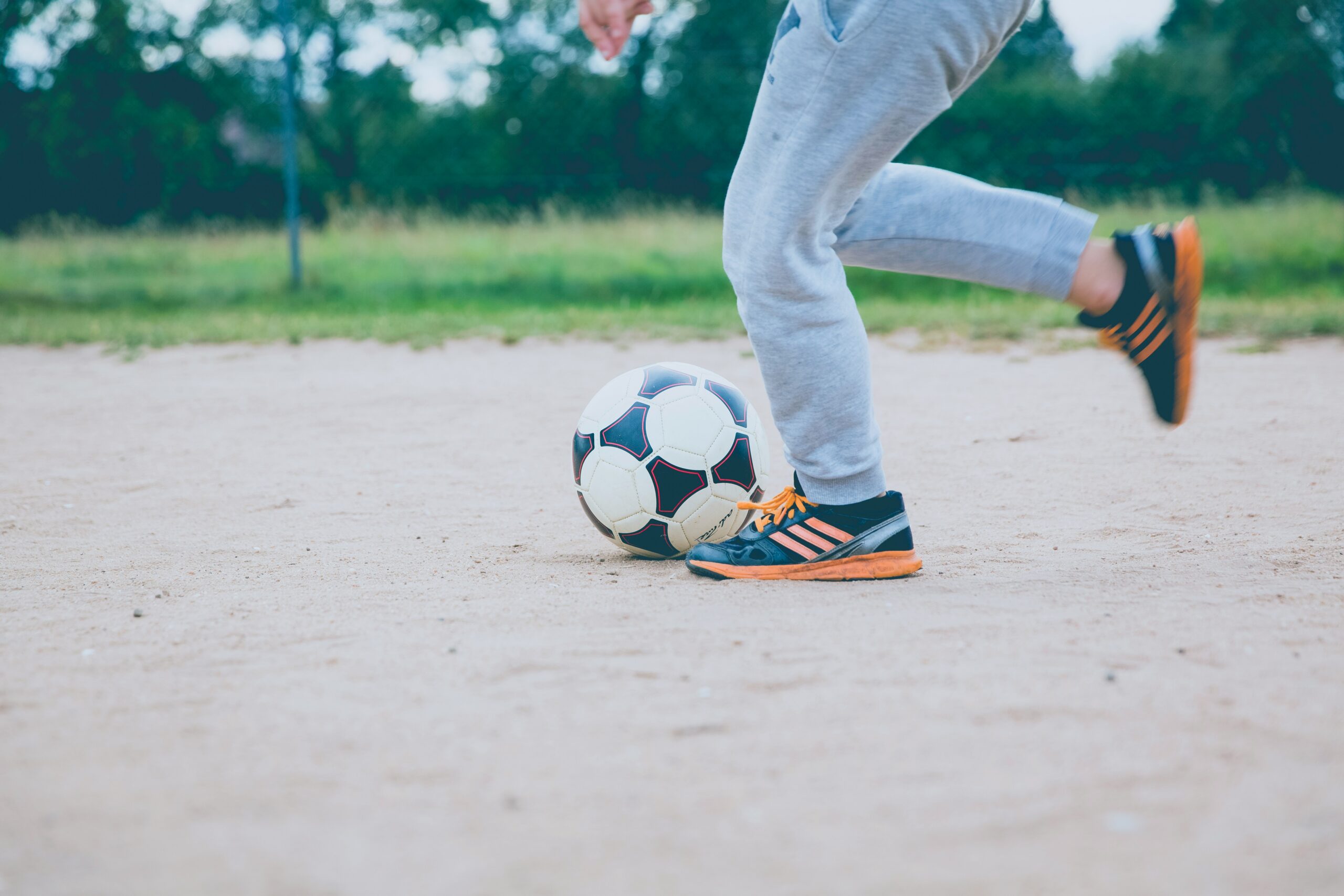
The most obvious benefit of regular exercise is the improvement of physical health. For children, engaging in physical activities such as running, jumping, swimming, or cycling helps develop their bones, muscles, and cardiovascular system. Exercise encourages strong bones and muscles by enhancing bone density and muscle strength, which are crucial during the growing years. Regular physical activity also contributes to maintaining a healthy weight, which is critical in preventing childhood obesity — a rising concern worldwide.
In addition, exercise boosts the immune system, making children less prone to illnesses and infections. It improves their coordination, balance, and motor skills, all of which are important for daily activities and future sports participation.
Mental and Emotional Well-being
Exercise isn’t just good for the body; it’s also beneficial for the mind. Physical activity has been shown to reduce symptoms of anxiety, depression, and stress. For children, exercise provides a natural way to release pent-up energy and emotions. It encourages the production of endorphins, also known as the “feel-good” hormones, which help improve mood and reduce feelings of stress.
Moreover, regular physical activity can improve a child’s self-esteem and confidence. Accomplishing physical goals, whether it’s learning to ride a bike or scoring a goal in soccer, provides a sense of achievement. This private school in Devon suggests that children who are active tend to have a better self-image and a positive outlook on life.
Social Skills Development
Group exercises and sports activities offer an excellent opportunity for children to develop social skills. Participating in team sports teaches children how to work collaboratively, communicate effectively, and develop leadership skills. It helps them understand the value of teamwork, patience, and perseverance, which are crucial life skills.
Exercise also allows children to form friendships with their peers, which can be particularly important in their social development. These interactions foster a sense of belonging, improve their social interactions, and can even help reduce feelings of loneliness or social anxiety.
Cognitive Benefits
Physical activity is closely linked to cognitive development. Exercise stimulates brain function and increases blood flow to the brain, which in turn enhances memory, attention span, and learning capabilities. Studies have shown that children who engage in regular physical activity tend to perform better academically. Exercise helps improve focus and concentration, which can translate into better school performance.
Furthermore, the discipline and time management required for regular exercise teach children how to balance different aspects of life, a skill that is useful as they grow older.
Encouraging a Lifelong Habit
Instilling the habit of regular exercise from a young age sets the foundation for a healthy lifestyle in adulthood. Children who grow up engaging in physical activities are more likely to continue exercising as adults. This lifelong habit significantly reduces the risk of chronic diseases such as heart disease, diabetes, and certain types of cancer.
Parents play a crucial role in promoting exercise by being role models and encouraging active play. Schools and communities can also contribute by providing accessible recreational facilities and structured physical education programs.
The importance of regular exercise for children cannot be overstated. It fosters physical health, mental well-being, social development, and cognitive function, all of which are essential for a child’s growth and development. Encouraging regular exercise early in life not only promotes a healthier and happier childhood but also lays the groundwork for a lifetime of good habits. So, let’s get our children moving, and ensure that exercise becomes a joyful and integral part of their daily routine!

Georgie – twenty something content creator based in Yorkshire, writing about all things pretty in life


Leave a Comment