
In today’s world, where screens and sedentary activities often dominate, it’s more important than ever to encourage children to stay active. Exercise is not just about physical health—it’s essential for a child’s overall development. Regular physical activity benefits children in countless ways, from boosting their physical fitness to supporting their mental and emotional well-being. In this blog post, we’ll explore the many benefits of exercise for children and why it’s so important to keep them moving.
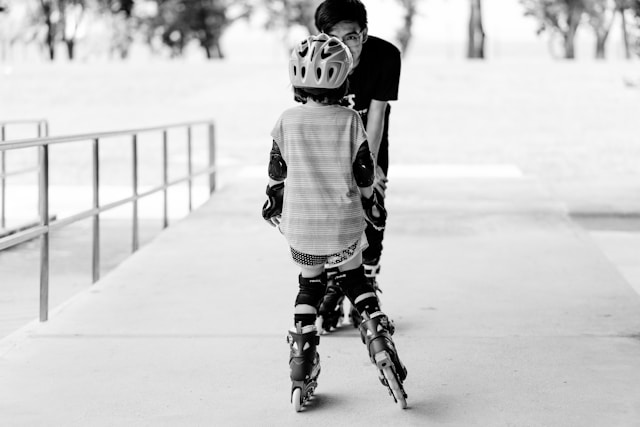
Physical Health and Fitness
One of the most obvious benefits of exercise for children is improved physical health. Regular physical activity helps children build strong muscles and bones, improve cardiovascular health, and maintain a healthy weight. These benefits not only contribute to their current well-being but also lay the foundation for a healthy lifestyle as they grow.
- Strong muscles and bones: Weight-bearing exercises like running, jumping, and playing sports strengthen bones and muscles, helping to prevent issues like childhood obesity and setting the stage for a strong skeletal system later in life.
- Healthy heart and lungs: Cardiovascular activities like biking, swimming, and playing outside get the heart pumping and improve lung capacity, helping to reduce the risk of heart disease and respiratory issues as they age.
- Improved motor skills: Activities that involve coordination, balance, and agility, such as dancing, climbing, or playing sports, help children develop better motor skills, flexibility, and coordination.
Mental Health and Emotional Well-Being
Exercise has a profound impact on mental health, even for children. Physical activity stimulates the production of endorphins, the brain’s “feel-good” chemicals, which can help reduce feelings of anxiety, stress, and depression. Children who are physically active tend to have better emotional well-being and are often more resilient when faced with challenges.
- Boosts mood and reduces stress: Running, playing sports, or even engaging in a game of tag can reduce anxiety and stress levels in children, leaving them feeling happier and more relaxed.
- Better sleep: Regular physical activity can improve sleep patterns, helping children fall asleep faster and enjoy deeper, more restorative rest. A well-rested child is more likely to be attentive and less prone to mood swings during the day.
- Increased self-esteem: Achieving small goals in sports or physical activities, such as learning to ride a bike or scoring in a game, can boost a child’s confidence and self-esteem. It gives them a sense of accomplishment and pride in their abilities.
Improved Focus and Cognitive Function
Physical activity doesn’t just benefit the body—it also has a significant impact on the brain. Studies show that regular exercise can improve cognitive function, concentration, and academic performance in children.
- Enhanced focus and attention: Physical activity increases blood flow to the brain, improving focus and cognitive abilities. Children who exercise regularly often show better concentration in school and have improved memory retention.
- Stimulates brain growth: Exercise has been linked to the growth of new brain cells, particularly in areas of the brain responsible for learning and memory. This can help boost problem-solving skills and creativity in children.
- Better academic performance: Children who engage in regular physical activity tend to perform better academically. Exercise has been shown to improve skills such as reading comprehension, maths abilities, and overall classroom behaviour.
Social Skills and Teamwork
Exercise, particularly through team sports and group activities, provides an excellent opportunity for children to develop important social skills. This is why private secondary schools in Surrey recommend this approach at their schools by introducing a range of sports and activities to children at a young age. Whether playing on a soccer team, participating in dance classes, or just playing games with friends, physical activity promotes cooperation, communication, and teamwork.
- Building friendships: Group activities encourage children to interact with peers, make friends, and learn how to work together to achieve a common goal. These relationships can help boost a child’s social confidence and sense of belonging.
- Learning teamwork: Participating in team sports teaches children the value of collaboration, sharing responsibilities, and supporting one another. It also helps them understand that success often comes from working together, rather than focusing solely on individual achievements.
- Improving communication skills: Whether it’s listening to a coach’s instructions or discussing strategies with teammates, physical activities improve a child’s ability to communicate effectively and work within a group dynamic.
Developing Discipline and Responsibility
Exercise helps children learn valuable life lessons, such as discipline, responsibility, and perseverance. Whether through individual sports or group activities, children are taught to set goals, work toward them, and remain committed to practice and improvement.
- Goal-setting and achievement: Whether it’s learning to hit a baseball or mastering a new dance move, exercise teaches children how to set goals and work diligently to achieve them. This builds a sense of perseverance and teaches them that progress often requires consistent effort.
- Responsibility: Team sports and structured activities require children to show up on time, practice regularly, and take care of equipment. These experiences help build responsibility and accountability.
- Learning from failure: Physical activity teaches children how to cope with both success and failure. Losing a game or facing challenges in learning new skills can help children develop resilience, teaching them that setbacks are a natural part of growth.
Exercise is a key component of a healthy, well-rounded lifestyle for children. Not only does it promote physical health, but it also supports mental well-being, boosts cognitive function, enhances social skills, and fosters important life values like discipline and perseverance. By encouraging regular physical activity, you are helping your child build habits that will benefit them throughout their life. So whether it’s playing outside, joining a team sport, or simply moving more throughout the day, get your child up and moving—they’ll be happier, healthier, and more confident because of it!

Georgie – twenty something content creator based in Yorkshire, writing about all things pretty in life


Leave a Comment