
In today’s fast-paced, tech-driven world, students and parents have more choices than ever when it comes to finding educational support. One of the biggest decisions is whether to choose online tutoring or traditional face-to-face tutoring. While both methods aim to help students succeed, they each offer unique benefits and challenges that cater to different learning styles, schedules, and preferences. In this blog post, we’ll break down the key differences between private tuition online and face-to-face tutoring to help you decide which option is best for your child.

Location and Convenience
Online Tutoring
One of the most significant advantages of online tutoring is the flexibility it offers. Your child can receive tutoring from the comfort of home or any location with an internet connection. There’s no need to commute or work around the tutor’s location, making it a convenient option for families with busy schedules. Online tutoring also provides access to a wider pool of tutors, as you’re not limited to local options—your child can work with a tutor from anywhere in the world.
Face-to-Face Tutoring
In-person tutoring, on the other hand, requires meeting at a specific location, such as the tutor’s home, your home, or a learning centre. While this can provide a more structured learning environment, it may require more planning and travel time. Face-to-face tutoring may be more convenient for families who prefer a set routine and want to avoid distractions that can sometimes come with an online learning environment.
If you value flexibility and ease of scheduling, online tutoring might be the better choice. However, if you prefer a more structured, location-based routine, face-to-face tutoring could be a better fit.
Interaction and Engagement
Online Tutoring
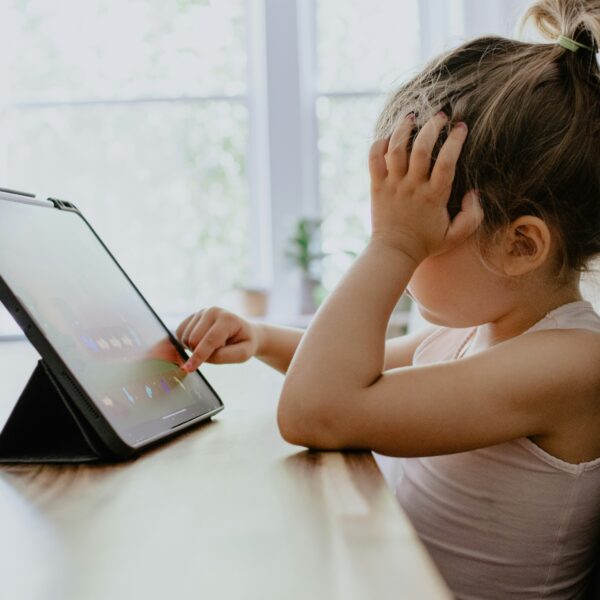
Online tutoring sessions typically take place via video conferencing platforms like Zoom or Skype, along with digital tools like shared whiteboards, chat features, and file-sharing capabilities. This allows for real-time interaction between the tutor and student, but it lacks the physical presence that can sometimes enhance engagement. Some students may feel more disconnected or distracted during online sessions, especially if they struggle with focus or motivation.
That said, many online tutoring platforms have found innovative ways to keep students engaged, such as using interactive learning materials, quizzes, and multimedia resources that may not be available in traditional face-to-face settings.
Face-to-Face Tutoring
In-person tutoring naturally provides more direct interaction and a personal connection. The tutor can pick up on non-verbal cues, such as body language and facial expressions, which can help them adjust their teaching approach based on how the student is responding. For students who thrive with hands-on learning or require more accountability, the physical presence of a tutor can be highly beneficial.
Face-to-face sessions also allow for the use of physical learning tools like manipulatives for maths or reading materials, which can help certain students better understand complex concepts.
If your child struggles with staying focused during screen time or benefits from hands-on interaction, face-to-face tutoring might be more effective. If they’re comfortable with technology and enjoy interactive, multimedia learning, online tutoring could be a great fit.
Access to Resources and Technology
Online Tutoring
Online tutoring platforms come with a wealth of digital resources, from interactive whiteboards to recorded sessions, which students can revisit for revision. Online tutors can easily share documents, videos, and other multimedia resources that can enhance the learning experience. Additionally, students can use technology tools like screen sharing to show their work in real-time or access digital textbooks and resources.
The tech-driven nature of online tutoring allows for a dynamic and versatile learning experience, but it also relies heavily on having a stable internet connection and working technology. Technical difficulties, such as lagging video calls or poor audio quality, can occasionally disrupt the flow of a session.
Face-to-Face Tutoring
In-person tutors may not have as many digital resources at their disposal, but they can offer personalised learning tools that suit the student’s specific needs. The tutor can bring physical materials such as textbooks, practice worksheets, or learning aids, which can be particularly useful for students who learn best through tangible, hands-on methods.
Face-to-face tutors also have fewer technical issues to worry about, but the variety of digital resources available may be more limited compared to what’s possible in an online environment.
If your child benefits from digital learning tools and technology-based resources, online tutoring has a clear advantage. For students who prefer traditional learning materials and a more hands-on approach, face-to-face tutoring may be the better choice.
Scheduling and Availability
Online Tutoring
Online tutoring offers more flexibility when it comes to scheduling. Since tutors can be located anywhere in the world, you’re not limited by local time zones or availability. This means you can often find a tutor who can work around your child’s school hours, extracurricular activities, or family commitments. Some online tutors may even offer 24/7 support, making it easy to get help during late-night study sessions or before exams.
Face-to-Face Tutoring
In-person tutoring usually requires more coordination to find a time and location that works for both parties. There are fewer time slot options since tutors typically operate within certain business hours and geographic locations. However, having set times each week can help create a consistent routine, which some students benefit from.
For families with busy or irregular schedules, online tutoring offers more flexibility and availability. For those who prefer a regular, structured schedule, face-to-face tutoring can provide a consistent routine.
Cost Considerations
Online Tutoring
Online tutoring tends to be more cost-effective than in-person tutoring because there are no travel expenses for the tutor or the student, and the availability of more tutors can create competitive pricing. Additionally, some online tutoring platforms offer package deals or subscriptions, which can reduce the overall cost.
Face-to-Face Tutoring
In-person tutoring is often more expensive, as it requires the tutor to travel or rent a space, and the time commitment can be more significant. However, some families may find the benefits of face-to-face interaction worth the higher cost.
If budget is a primary concern, online tutoring may offer more affordable options. However, if personalised, in-person attention is more important for your child’s learning style, face-to-face tutoring may be worth the investment.
Both online and face-to-face tutoring have their advantages, and the right choice depends on your child’s unique learning style, schedule, and needs. Online tutoring offers flexibility, access to digital resources, and affordability, making it a great option for tech-savvy students with busy schedules. Face-to-face tutoring, on the other hand, provides more personal interaction, hands-on learning, and a structured environment, which can be highly beneficial for students who need that extra level of engagement and accountability.
When choosing between online and face-to-face tutoring, consider your child’s preferences, learning habits, and the logistics that work best for your family. Both options can provide valuable support, and in some cases, a mix of both might be the perfect solution!

Georgie – twenty something content creator based in Yorkshire, writing about all things pretty in life



Leave a Comment