
Personal hygiene is an essential life skill that every child needs to learn as they grow. Teaching your child good hygiene habits early can set them up for a lifetime of health, confidence, and well-being. Not only does personal hygiene prevent illness, but it also helps children develop self-respect and consideration for others. In this blog post, we’ll explore key hygiene practices, how to make them a fun and positive experience, and the best ways to instil these habits in children of various ages.
Why Personal Hygiene is Important for Kids
Children are naturally curious and active, which means they come into contact with germs and dirt regularly. While some exposure to germs is part of building a healthy immune system, teaching your child proper hygiene can help minimise the risk of infections and illnesses.
Good personal hygiene also promotes social confidence. As children grow, they become more aware of their bodies and social interactions. Helping them understand the importance of cleanliness can boost their self-esteem and prevent embarrassing situations with friends or peers.
Key Personal Hygiene Practices to Teach Your Child
Here are some essential hygiene habits this sixth form college in Hertfordshire recommends you introduce to your child:
- Handwashing
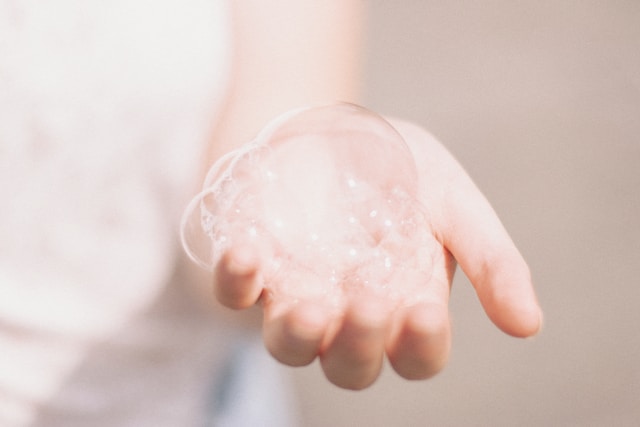
Handwashing is the foundation of good hygiene. Teach your child to wash their hands before meals, after using the bathroom, after playing outside, and after touching pets. Make sure they know the proper technique: using soap, scrubbing all parts of their hands (including between fingers and under nails), and rinsing thoroughly for at least 20 seconds. Singing songs like “Happy Birthday” twice can make the process more engaging. - Brushing Teeth
Oral hygiene is crucial for preventing cavities, bad breath, and gum disease. Children should brush their teeth at least twice a day, ideally after breakfast and before bedtime. For younger children, use a soft-bristle brush and a pea-sized amount of fluoride toothpaste. Help them brush until they are coordinated enough to do it independently, typically around age 6 or 7. - Bathing
Teaching your child about regular bathing or showering is important for keeping their skin clean and free of bacteria. Depending on your child’s age and activity level, daily bathing may not be necessary, but make sure they understand the importance of washing their body, especially their face, armpits, and groin area. Encourage them to wash their hair regularly as well. - Nail Care
Nails can harbour dirt and germs, so it’s essential to teach your child how to trim and clean their nails. Make nail trimming a regular part of their routine, and show them how to use a nail brush to clean under their nails while washing their hands. - Using Tissues and Covering Coughs
Children often sneeze and cough without thinking, which can spread germs quickly. Teach them to cover their mouth with their elbow when coughing or sneezing and to use tissues to blow their nose. Show them how to dispose of tissues properly and wash their hands afterward. - Changing Clothes and Wearing Clean Underwear
As children grow, their sweat glands become more active, especially during puberty. It’s important for them to learn to wear fresh clothes each day and to change out of sweaty clothes after sports or physical activities. Teach them about wearing clean underwear and socks daily, as this helps prevent skin irritations and body odour. - Puberty and Deodorant Use
When your child reaches the pre-teen years, body odour becomes more noticeable due to hormonal changes. This is a good time to introduce deodorant and explain the importance of staying clean during puberty. Help them pick a mild deodorant and remind them to apply it after showering or before school.
Tips for Teaching Hygiene to Kids
- Start Early and Make it Fun
Begin teaching personal hygiene as early as possible. Young children love mimicking adults, so involve them in your own hygiene routines. Use playful songs, colourful toothbrushes, or scented soaps to make hygiene activities more enjoyable. For example, let them choose their favourite bath toy or reward them with stickers for remembering to brush their teeth. - Be a Role Model
Children learn by watching their parents, so be sure to demonstrate good hygiene yourself. Let your child see you wash your hands before meals, brush your teeth regularly, and take care of your personal grooming. Modelling these behaviours will help them understand that hygiene is an important part of daily life. - Establish Routines
Creating a consistent routine can make hygiene habits second nature. Set specific times for handwashing, teeth brushing, and bathing. For example, morning and bedtime routines can include brushing teeth and washing faces, while after-school routines can involve handwashing before a snack. - Explain the ‘Why’ Behind Each Practice
Instead of just telling your child to wash their hands or brush their teeth, explain why it’s important. Use simple language to explain how germs cause sickness, or how brushing teeth prevents cavities. When children understand the reasons behind these habits, they’re more likely to adopt them willingly. - Encourage Independence
As your child grows, encourage them to take responsibility for their own hygiene. Praise them for remembering to wash their hands or brush their teeth without being reminded. Give them age-appropriate tools like step stools, easy-to-use soap pumps, and fun toothbrushes to make independence easier. - Be Patient and Positive
Learning new habits can take time, so be patient if your child forgets or resists certain hygiene tasks. Stay positive, and gently remind them instead of nagging. Celebrate small successes to build their confidence and motivate them to keep up with their hygiene routine.
Teaching your child about personal hygiene is an investment in their health and well-being. By establishing good hygiene habits early, you’re helping them protect themselves from illnesses, feel more confident, and build social skills that will benefit them throughout life. With patience, consistency, and a bit of creativity, you can make personal hygiene an easy and enjoyable part of your child’s daily routine.

Georgie – twenty something content creator based in Yorkshire, writing about all things pretty in life


Leave a Comment