
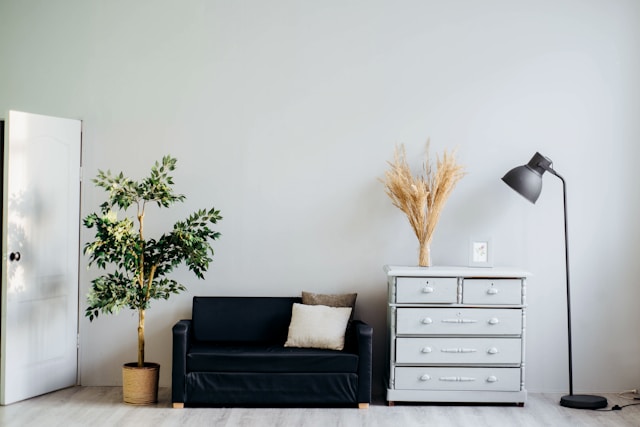
Creating a child-proof home is essential for every parent, caregiver, or guardian with young children. While it’s crucial to encourage kids to explore and learn, it’s equally important to ensure that their environment is as safe as possible. From sharp corners to breakable items, homes can present various hazards for little ones. This guide offers a comprehensive approach to child-proofing every room in your house, including conservatories, where delicate furniture like conservatory sofas and conservatory furniture sets can pose risks.
1. Assess Your Home from a Child’s Perspective
The first step in child-proofing your home is to view it from a child’s level. Children are naturally curious and will often go exploring in places we may overlook. Get down on your hands and knees to gain their perspective. This will allow you to spot potential dangers such as sharp edges, low-hanging cords, and reachable breakables. Consider the height and reach of your child when inspecting each room to identify possible hazards.

2. Living Room Safety: Secure Furniture and Electronics
The living room is often filled with furniture and electronics, making it a primary area to child-proof. Here are some key tips:
-
Anchor Heavy Furniture: Bookcases, TV stands, and cabinets should be securely anchored to the walls to prevent them from tipping over if your child tries to climb them.
-
Soften Sharp Edges: Place corner guards on tables, especially coffee tables and TV units, to avoid injuries from sharp corners.
-
Keep Electronics Out of Reach: Place TVs, remotes, and other electronic devices on high shelves or mount them on the wall. Ensure that electrical cords are secured with cord holders or tucked away to prevent tripping or pulling. Additionally, use outlet covers to prevent little fingers from poking into electrical sockets.
-
Child-Proof Doors: Use door knob covers to prevent children from accessing rooms that may not be safe for them, such as storage rooms or home offices.
3. Making the Conservatory Safe: Managing Furniture and Sun Exposure
Conservatories are bright, inviting spaces filled with natural light. However, they can also pose unique challenges when it comes to child safety. Here’s how to make them safer:
-
Secure Conservatory Sofas: Many conservatory sofas and conservatory furniture sets are lightweight, making them easy to tip over if children attempt to climb them. Anchor heavier pieces to the walls where possible, and use anti-slip pads under the legs of sofas to prevent movement.
-
Cover Glass Surfaces: If your conservatory has large windows or glass doors, consider applying shatter-resistant film to prevent injury in case of accidental impact. Using window blinds with cordless designs can also eliminate the risk of strangulation.
-
Protect from Sun Exposure: Conservatories can get very warm due to their exposure to sunlight. Use child-safe sunshades or curtains to block out intense sunlight and reduce the risk of overheating. Additionally, ensure conservatory sofas and other seating furniture are not placed directly in the sun, as the fabric can get very hot and cause burns.
4. Kitchen Precautions: Lock Cabinets and Secure Appliances
The kitchen is a high-risk area for young children due to the presence of hot surfaces, sharp objects, and harmful substances. To make it child-proof:
-
Install Safety Locks: Use child-proof locks on cabinets and drawers, especially those containing cleaning supplies, sharp utensils, and small appliances.
-
Use Stove Guards: Stove guards can help prevent children from reaching up and touching hot surfaces. Turn pan handles away from the edge of the stove to avoid accidental knocking.
-
Secure Appliances: Large appliances like refrigerators, dishwashers, and ovens should be fitted with safety latches to prevent them from being opened by small children. Ensure smaller appliances, such as kettles, are placed out of reach and unplugged when not in use.
5. Bedroom Safety: Cribs, Beds, and Toys
The bedroom should be a safe haven for your child, providing a secure place to sleep and play. Here’s how to make it safer:
-
Choose the Right Crib: Make sure the crib meets the latest safety standards, with slats no more than 6 cm apart. Keep the crib free from pillows, heavy blankets, and stuffed toys to prevent suffocation risks.
-
Use Furniture Straps: As with other rooms, use furniture straps to secure dressers, wardrobes, and bookshelves to the wall to prevent tipping.
-
Organise Toys: Store toys in bins without lids or with soft covers to avoid trapping small fingers. Keep smaller toys and objects with small parts out of reach to prevent choking hazards.
6. Bathroom Safety: Slips, Falls, and Medications
Bathrooms can be hazardous due to their slippery surfaces and the presence of potentially dangerous items. Here’s how to make them safer for children:
-
Use Non-Slip Mats: Place non-slip mats inside the bathtub and on the bathroom floor to reduce the risk of slips and falls.
-
Install Toilet Locks: Toilet locks prevent curious toddlers from playing with water in the toilet, reducing the risk of drowning and contamination.
-
Secure Medications and Cleaning Supplies: Always store medications, vitamins, and cleaning products in cabinets with child-proof locks. Ensure that these items are placed high out of reach.

7. Hallways and Staircases: Safety Gates and Handrails
Hallways and staircases are common areas for falls. Here’s how to make these areas safer:
-
Install Safety Gates: Use safety gates at the top and bottom of stairs to prevent your child from climbing up or down unsupervised. Choose gates that are securely mounted to the walls rather than pressure-fitted for added stability.
-
Use Handrails: Ensure handrails are sturdy and within reach for older children who are beginning to walk up and down stairs independently.
8. Outdoor Areas: Fencing and Furniture Safety
If you have an outdoor area, garden, or patio, it’s important to child-proof these spaces as well:
-
Secure Outdoor Furniture: Like indoor conservatory furniture sets, outdoor chairs and tables should be heavy enough to prevent tipping or anchored securely.
-
Check Fencing: Ensure your garden or yard is securely fenced to prevent children from wandering off. Regularly inspect fences and gates for any gaps or weaknesses.
-
Remove Hazards: Remove sharp gardening tools, chemicals, and small objects that could pose a choking risk. Always store these items in a locked shed or cabinet.
Final Thoughts
Child-proofing your home is an ongoing process that requires regular assessment and updates as your child grows and becomes more mobile. By taking proactive measures to secure furniture, cover sharp edges, manage access to hazardous areas, and ensure conservatory sofas and conservatory furniture sets are stable, you can create a safe and nurturing environment for your little explorer. Remember, no child-proofing method is a substitute for adult supervision, but these steps will go a long way in preventing accidents and injuries in your home.

Georgie – twenty something content creator based in Yorkshire, writing about all things pretty in life




Leave a Comment