
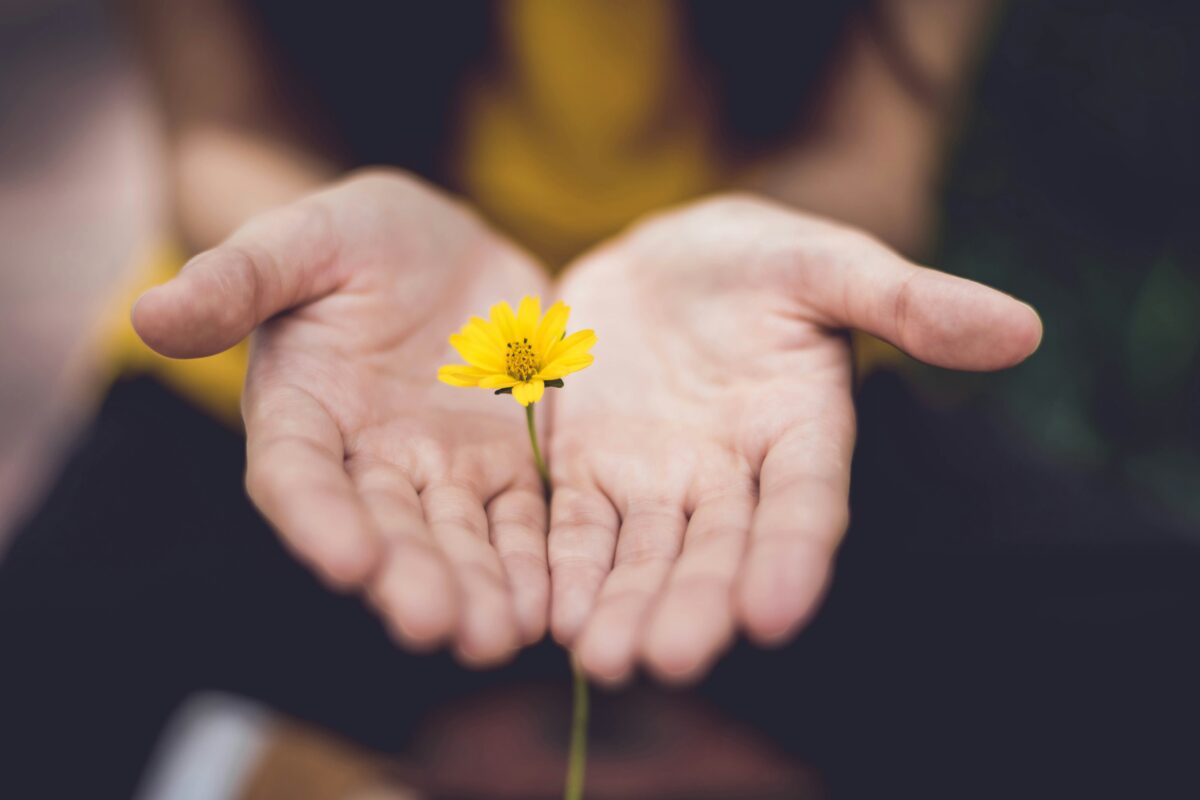
Exploring the link between mindfulness and practising gratitude can unlock new pathways to a more fulfilling life. As you delve deeper into mindfulness, you’ll start noticing the abundance of good around you, fostering a heartfelt appreciation for life’s small pleasures. This synergistic relationship helps you cultivate a life marked by gratitude, enhancing both your mental and emotional wellbeing.
Embarking on a journey of practising gratitude can significantly enhance your quality of life, from improving mental health to strengthening social connections. Through this article, you’ll be guided on how to seamlessly integrate mindful gratitude into your daily routine, ensuring that you reap the myriad benefits it has to offer for a more mindful and contented existence.
The Fundamentals of Mindful Gratitude
Understanding the core principles of mindful gratitude is pivotal in harnessing its power to transform your life. At its essence, gratitude is the recognition and appreciation of the positive aspects of life, often heightened by mindfulness, which encourages living in the present moment with awareness and without judgment. This synergy between mindfulness and gratitude cultivates a profound sense of thankfulness, even for the simplest pleasures.
- Positive Impacts on Well-being:
-
- Mental Health: Practising gratitude has been linked to significant improvements in mental health, including reduced symptoms of depression and increased self-esteem. It encourages a positive mental state, focusing on what we have rather than what we lack.
- Physical Health: The benefits extend to physical health, with studies showing gratitude practices can lower blood pressure, improve immune function, and promote better sleep patterns.
- Enhancing Life Quality:
-
- Relationships: By acknowledging the role of others in our successes and happiness, gratitude strengthens our connections, making us more empathetic and less aggressive towards others.
- Resilience: Gratitude fosters resilience, enabling individuals to navigate through tough times with grace and optimism.
- Practical Gratitude Practices:
-
- Gratitude Journaling: A simple yet effective method where you jot down things you’re thankful for daily.
- Mindful Reflection: Taking moments throughout the day to consciously acknowledge the good, no matter how small.
- Expressing Gratitude: Making it a habit to express thanks to others, reinforcing positive interactions and bonds.
Integrating these practices into your daily routine can lead to a more joyful, mindful, and appreciative existence, highlighting the profound role gratitude plays in achieving a balanced and fulfilling life.
Step-by-Step Guide to Implementing Mindful Gratitude Practices
To seamlessly incorporate mindful gratitude into your life, consider these practical steps:
- Establishing a Gratitude Routine:
-
- Set a specific time and place: Choose a peaceful spot and a consistent time for your gratitude practice to anchor it into your daily life.
- Choose your method: Whether it’s journaling, meditation, or verbal expression, select what resonates with you.
- Start small: Begin by noting three things you’re grateful for daily or expressing gratitude to one person.
- Consistency is key: Stick to your routine to cultivate gratitude as a habit.
- Expanding Your Gratitude Perspective:
-
- Appreciate the small things: Notice and appreciate the seemingly insignificant joys.
- Gratitude for challenges: Recognize the growth and learning opportunities in challenges.
- Acknowledge your support system: Express gratitude for those who inspire and support you.
- Self-gratitude: Don’t forget to appreciate yourself and your own efforts.
- Expressing Gratitude in Varied Ways:
-
- Verbally and in writing: Share your gratitude with others through words, whether spoken or written.
- Through actions: Let your deeds reflect your gratitude.
- Mindful practices: Engage in gratitude meditation, keep a gratitude journal, or create a Gratitude Jar to visually remind you of your blessings.
- In relationships: Make it a point to tell friends or family how much their actions mean to you.
By incorporating these practices, you can foster a deeper sense of gratitude, enhancing your mindfulness and overall well-being.
Overcoming Challenges in Practising Mindful Gratitude
While practising gratitude can significantly enrich your life, it’s common to encounter hurdles along the way. Understanding these barriers and knowing how to navigate them can make all the difference. Here are some strategies to overcome common challenges:
- Lack of Time or Energy: Integrate gratitude with daily activities like brushing your teeth or during your morning coffee. This makes it part of your routine without requiring extra time.
- Negative Mindset: Counteract this by ending your day on a positive note. Reflect on the best moments of your day before sleep, focusing on the feelings they evoke.
- Comparison and Habituation: Remind yourself that everyone’s journey is unique. Celebrate your progress by reflecting on past challenges you’ve overcome and how far you’ve come.
- Building Resilience: Gratitude isn’t just for the good times. Embrace it during challenges, considering the growth and lessons learned. This perspective fosters resilience, helping you cope better with future adversities.
Incorporating these practices into your life can not only help you overcome the barriers to practising gratitude but also enhance your overall well-being and relationships.
Conclusion
Throughout this exploration of mindful gratitude, we’ve uncovered the profound impact that practising gratitude can have on one’s mental, emotional, and physical well-being. From the enhancement of personal joy and the strengthening of social connections to fostering resilience in the face of challenges, the practices and principles discussed offer a comprehensive guide to integrating gratitude into daily life. This journey towards a more grateful existence is marked by a heightened appreciation for the myriad blessings that surround us, empowering us to lead more fulfilled and mindful lives.
As we conclude, it’s essential to remember that the art of practising gratitude is a path, not a destination. The steps outlined, from gratitude journaling to mindful reflection and expressing thanks, serve as starting points to embrace this transformative practice. By making gratitude a consistent part of our routine, we open ourselves to experiencing the multitude of benefits it brings, nurturing a life of well-being, connection, and appreciation. Let us carry forward the insights gained, enriching our lives and the lives of those around us through the power of gratitude.
FAQs
How can I incorporate gratitude into my daily mindfulness practice?
To incorporate gratitude into your daily mindfulness routine, consider these eight daily gratitude exercises:
- Count your blessings with a gratitude countdown.
- Keep a gratitude journal to record what you’re thankful for.
- Pen a letter expressing your gratitude to someone.
- Engage in mindful gratitude by being present in the moment.
- Embark on a gratitude walk, acknowledging the good as you go.
- Dedicate time to gratitude meditation.
- Create a gratitude jar to fill with notes of thanks.
- Verbally express your gratitude to those around you.
What are some strategies for becoming proficient in mindfulness?
To become proficient in mindfulness, you can adopt the following strategies:
- Harness the power of your breath as a tool for focus and relaxation.
- Take regular breaks to practice mindfulness throughout your day.
- Eat with mindfulness, paying full attention to the experience of eating.
- Develop a gratitude practice to enhance your mindfulness.
- Schedule time for solitude to reflect and meditate.
- Remember that mindfulness is key to maintaining well-being, especially for entrepreneurs.
What are some methods to practice gratitude in my life?
Here are ten methods to practice gratitude daily:
- Maintain a gratitude journal to reflect on positive experiences.
- Reflect on past difficulties and how you’ve grown from them.
- Pose three questions to yourself that encourage a grateful perspective.
- Share your gratitude with others, enhancing your relationships.
- Engage your senses to fully appreciate your present experiences.
- Use visual cues as reminders to be thankful.
- Commit to a vow of practising gratitude regularly.
- Pay attention to your language, using words that reflect a grateful attitude.
What are the different kinds of gratitude one can experience?
Psychologists identify three types of gratitude:
- Gratitude as an “affective trait,” which refers to a person’s general tendency to be grateful.
- Gratitude as a mood, which involves daily changes in how grateful one feels.
- Gratitude as an emotion, which is a more fleeting feeling of thankfulness that might arise after receiving a gift or favour.

Georgie – twenty something content creator based in Yorkshire, writing about all things pretty in life




Leave a Comment